
 13.03.2025
 9800
9800 Data transmission is essential for information exchange and is relevant in various fields. It is responsible for the smooth operation of the internet, mobile networks, phone calls, cloud services, and more. It is useful to understand what data transmission is, what types of channels and devices are used, and the technologies behind it.
What is Data Transmission?
Data transmission is the exchange of information between two or more devices or systems through various communication channels, using specialized methods for signal transmission and encoding. It relies on both analog and digital technologies, which can operate in real-time or with a certain delay.
Modern data transmission networks and systems are widely used in computer networks, telecommunications, industry, and science. The main task is to ensure fast, reliable, and secure information exchange between specific communication nodes.

Types and Methods of Data Transmission
Data transmission can be classified according to several parameters. By direction, it can be:
Simplex – one-way transmission, for example, radio broadcasting;
Half-Duplex – two-way transmission, but alternately, such as walkie-talkies;
Full-Duplex – two-way transmission, where data exchange occurs simultaneously, such as optical fiber channels or telephone communication.
There are two main types of data transmission based on the medium: wired and wireless. Wired transmission is done through physical lines, such as optical fiber, coaxial cable, or twisted pair cables. Wireless transmission uses infrared, laser radiation, or radio waves, such as Bluetooth, Wi-Fi, and satellite communication.
The method of synchronization determines whether the transmission channel is synchronous or asynchronous. In asynchronous transmission, information exchange happens at different times, with start and stop markers (e.g., RS-232, USB). Synchronous transmission uses even flow with time synchronization (e.g., Ethernet, SDH).
Data Transmission Methods and Channels
A data transmission channel is a means of exchanging information available in different forms. There are three main categories of transmission channels:
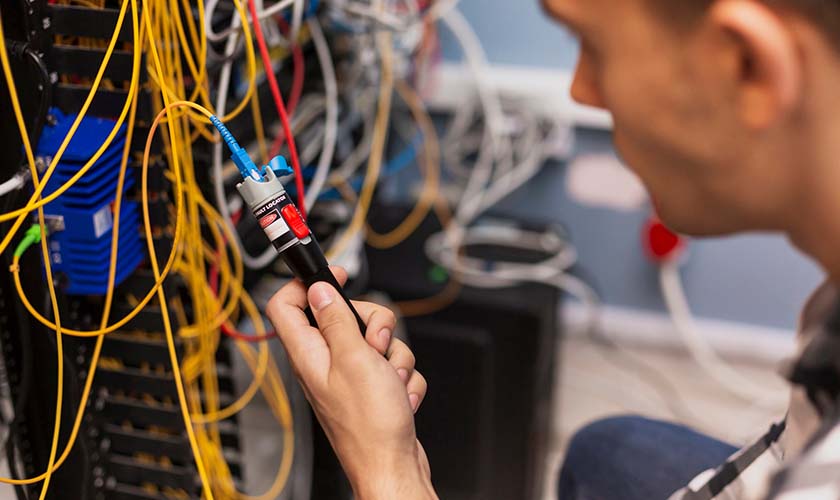
Fiber optic lines, known for their high reliability, speed, and resistance to interference;
Electrical lines, common in DSL networks and traditional telephone lines;
Radio channels, used in Wi-Fi, satellite communications, and mobile networks.
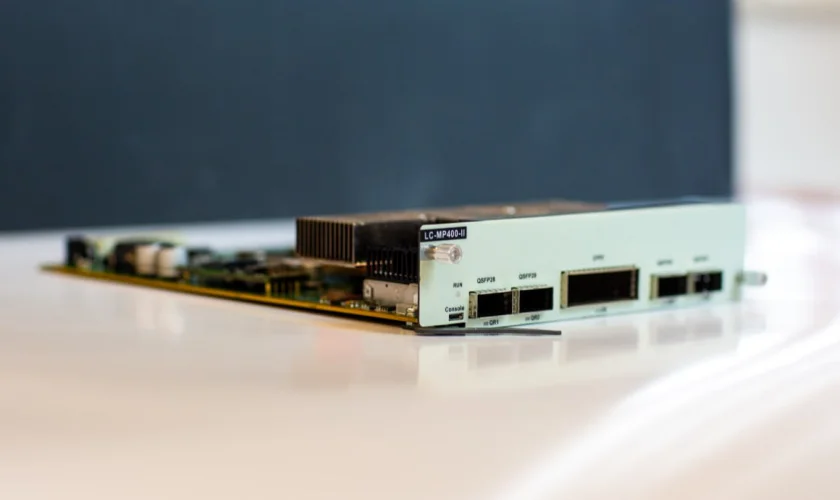
Devices that can transmit data across all these channels, such as DCU modules, are available.
Data Transmission Process
The data transmission process involves several stages:
- Data Formation – information is converted into either an analog or digital signal.
- Encoding and Modulation – adapting the signal for the specific communication channel.
- Data Transmission through the Channel – can use either a wireless or wired interface.
- Decoding and Demodulation – restoring the data to its original state.
- Information Processing – ensuring the integrity of the data, with possible corrections.
Finally, data receipt confirmation occurs, marking the end of the transmission.
New Data Transmission Technologies
Data transmission technologies are continuously evolving to enhance security and increase speed. One of the latest developments is 5G, offering speeds up to 10 Gbps. Another innovation is DWDM (Dense Wavelength Division Multiplexing), which is used for transmitting large volumes of data over long distances. Wi-Fi 6 provides improved performance and lower latency. An exciting solution is Li-Fi, a wireless technology that uses light flickering instead of radio waves. There is also quantum cryptography, which offers additional protection against potential data interception.
Data Transmission Devices
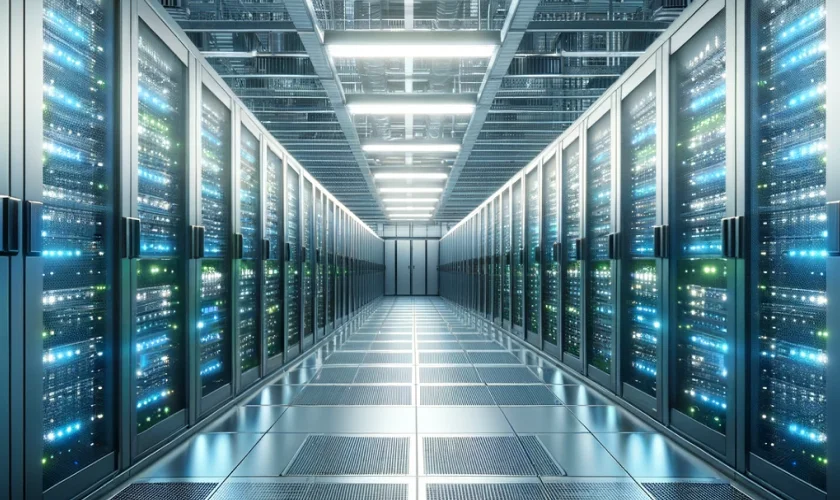
Various devices are used for data transmission and reception. They all need to ensure uninterrupted service and sufficient connection speed. Optical transceivers, switches, and routers are in high demand in computer networks, and optical transmitters are used in fiber-optic systems.
For wireless information exchange, wireless modules (Wi-Fi, Bluetooth, NFC) are used. If both data management and storage are needed, servers and network storage (NAS) are utilized, while satellite and mobile terminals are convenient for communication in remote areas. The MU platform is used for data exchange via the DWDM technology.
Data transmission is the foundation of the digital world. With modern methods, information can be transmitted over great distances without loss of quality or integrity.