
Everything You Need to Know About Fiber‑Optic Cable, Fiber‑Optic Systems, and Fiber‑Optic Technologies
 21.04.2025
 1013
1013 Fiber optics underpin modern high‑speed data transmission, delivering exceptional bandwidth, connection stability, and long‑distance performance without signal loss. Fiber‑optic systems power everything from home internet to global telecom backbones. Their versatility spans industries — from telecommunications to heavy industry — and DWDM‑based solutions continue to evolve, offering cutting‑edge, reliable connectivity.
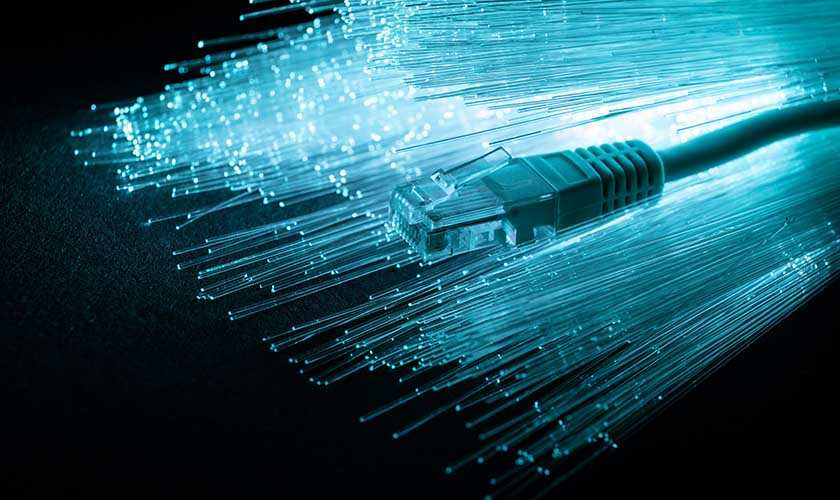
Key Terms: Fiber‑Optic Cable, Fiber‑Optic Systems, and Fiber‑Optic Technologies
Understanding these core concepts clarifies what fiber‑optic solutions are, how they differ, and why they matter.
What Is Fiber‑Optic Cable
A fiber‑optic cable transmits signals as pulses of light. Its purpose is fast, reliable data delivery with minimal distortion. Unlike copper, fiber is immune to electromagnetic interference and maintains stable connections over hundreds of kilometers without quality loss.
What Are Fiber‑Optic Systems
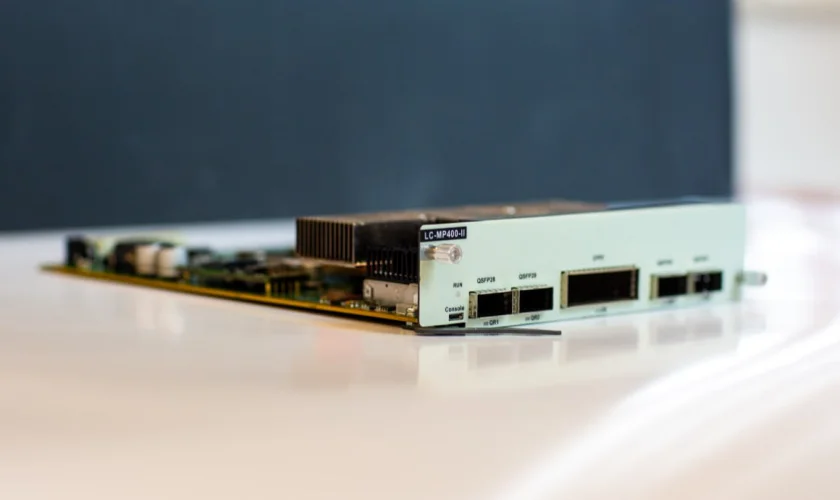
Fiber‑optic systems are turnkey solutions that include cabling and the active components that send and receive data, such as optical transceivers. A typical system comprises:
light sources (lasers or LEDs);
optical cables;
amplifiers (depending on configuration);
photodetectors that convert light back into electrical signals.
These solutions – PON systems, for example – serve both local networks and global communication channels.
What Is Fiber‑Optic Technology
Fiber‑optic technology is the method of transmitting information via light through thin strands of glass or plastic, enabling:
high throughput;
minimal latency;
exceptional accuracy.
It is widely used in data networks, telecommunications, medical devices, research installations, and CCTV systems. EDFA optical amplifiers can extend reach and improve signal quality.
Types of Optical Fiber
There are two primary categories:
- Single‑mode fiber – carries light in a single path, ideal for long‑haul and backbone links thanks to minimal loss and high precision.
- Multi‑mode fiber – carries multiple light paths simultaneously, suited to local networks and short distances.
Fiber can be glass or plastic. Glass offers higher speed and lower loss, making it the choice for mission‑critical applications.
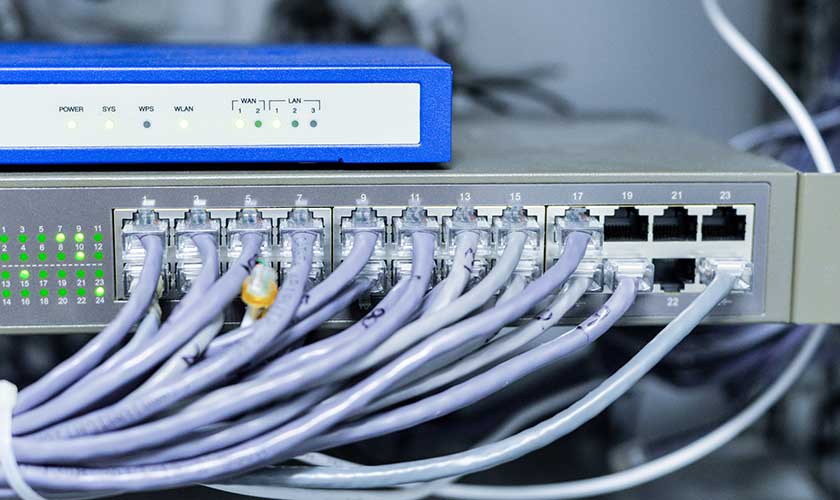
What Fiber‑Optic Cable Is Made Of
A fiber cable includes several layers:
Core – the central glass or plastic strand that guides light;
Cladding – reflects light back into the core to keep it moving forward;
Buffer coating – protects against mechanical damage;
Strength members – steel or aramid yarns that prevent stretching and add durability.
Applications of Fiber Optics
Fiber‑optic technology’s speed, stability, and resilience make it indispensable across domains:
- Internet and telecom – high‑speed links in local and global networks.
- Cable TV – crisp picture and sound, immune to interference.
- Industry – precise control and monitoring in harsh environments.
- Medicine – endoscopy, laser surgery, diagnostic equipment.
- Defense and aerospace – secure, high‑reliability data links under extreme conditions.
- Security and surveillance – long‑distance video transmission without quality loss.
Advantages and Disadvantages of Fiber Optics
Strengths:
ultra‑high data rates;
immunity to electromagnetic interference;
minimal signal loss over long distances;
enhanced data security;
longevity and resistance to aggressive environments.
Limitations:
higher installation costs;
need for specialized equipment;
repairs require expert skills and tools, affecting service accessibility.
How Fiber Optics Work
Light pulses generated by an LED or laser travel through the fiber. The cladding reflects the pulses inward, allowing the signal to cover long distances with negligible loss. At the far end, a photodetector converts light back into electrical form, preserving data integrity at speeds up to hundreds of gigabits per second.
How Information Is Transmitted over Fiber
Data are encoded into light pulses. Changes in light – frequency, wavelength, or on/off states – represent binary digits (0/1). The pulses reflect within the core, minimizing attenuation. At the receiver, equipment reconverts the light into digital signals, ensuring accurate, high‑speed communication.
Prospects and Future of Fiber‑Optic Technologies
Industry experts agree that fiber optics will dominate future connectivity. As demand for reliable, high‑bandwidth channels grows – with streaming, gaming, remote work, and 5G — the shift from copper to optical intensifies.
Fiber is set to become the backbone of smart cities, industrial automation, 5G infrastructure, and advanced medical networks. It will drive ultra‑fast internet access and new solutions for secure, efficient data transmission.