
 21.03.2025
 7703
7703 The development of electronic devices and modern networks requires the transmission of large amounts of data without loss of signal quality or delays. However, laying separate communication channels for each device or signal is not always feasible or cost-effective.
Multiplexers offer an efficient solution to this challenge. They help make networks and systems more compact, cost-effective, and productive. Let’s explore what a multiplexer is, its purpose, its types, and where it is used.
What Is a Multiplexer?
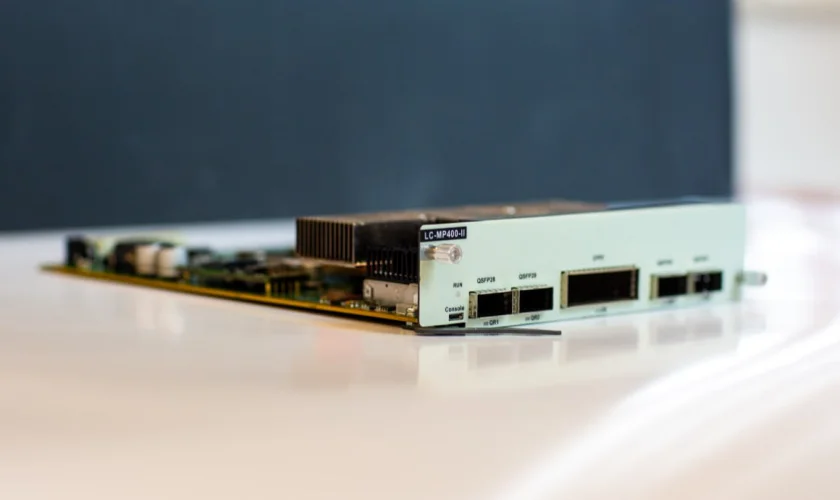
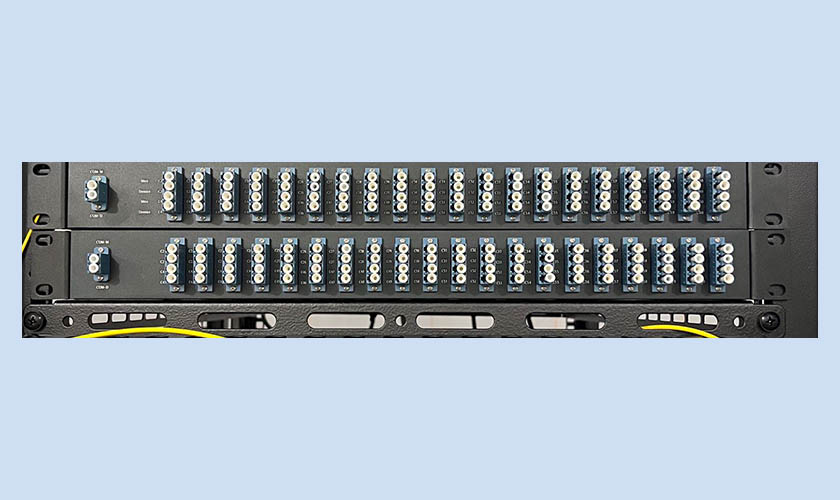
A multiplexer is an optical or electronic device designed to combine multiple independent signals into a single stream. This allows different types of signals to be transmitted over a single communication line without the need to lay additional channels. On the receiving side, the reverse process—demultiplexing—takes place, where the combined signal is split back into its original streams.
Functionally, a multiplexer can be compared to a “switch”, rapidly and sequentially connecting input signals to a common output. Depending on the complexity of the system, various multiplexing methods and DCU modules can be used, such as time-based, frequency-based, code-based, or wavelength-based multiplexing.
Why Is a Multiplexer Needed?
Multiplexers are used to solve a wide range of tasks, primarily related to data transmission optimization and network resource efficiency. The key benefits include:
- Saving communication channels: Since multiple signals can be transmitted over a single channel regardless of their type, infrastructure costs are reduced by avoiding the need for additional channels.
- Increased bandwidth and performance: The efficiency of the system improves significantly by enabling simultaneous transmission and processing of different types of data.
- Reduction of cable lines: Fewer cables are needed, leading to lower maintenance and installation costs.
- Simplified maintenance and management: Managing a single multiplexed channel is much easier and more cost-effective than managing multiple separate channels.
A multiplexer is a crucial component in modern communication and data transmission systems, enabling better utilization of limited resources, optical transceivers, and network channels while reducing expenses.
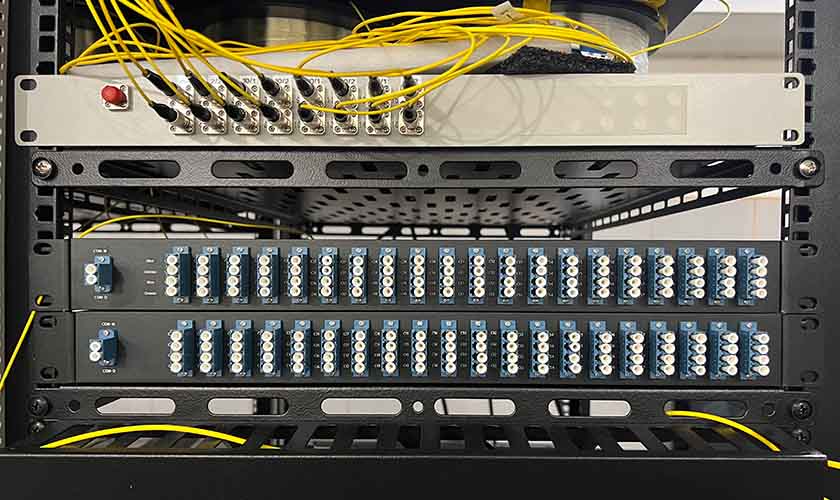
Types of Multiplexers
Multiplexers come in various types, categorized by their signal combination method:
- Time-Division Multiplexers (TDM): Signals are combined based on time slots, meaning each signal is transmitted in short intervals one after another.
- Frequency-Division Multiplexers (FDM): Signals are transmitted simultaneously but on different frequencies to prevent interference.
- Optical Multiplexers (WDM – Wavelength Division Multiplexing): Used in fiber-optic networks, where signals are transmitted using separate wavelengths within a single fiber.
- Code-Division Multiplexers (CDM): Signals are transmitted simultaneously and separated based on unique coding.
- Statistical Multiplexers: Signals are transmitted as needed, based on network load and priority.
The choice of a suitable multiplexer depends on operating conditions, the type of data being transmitted, and system requirements.
Where Are Multiplexers Used?
Multiplexers are widely used in industries requiring data transmission, including:
telecommunications;
radio and television broadcasting;
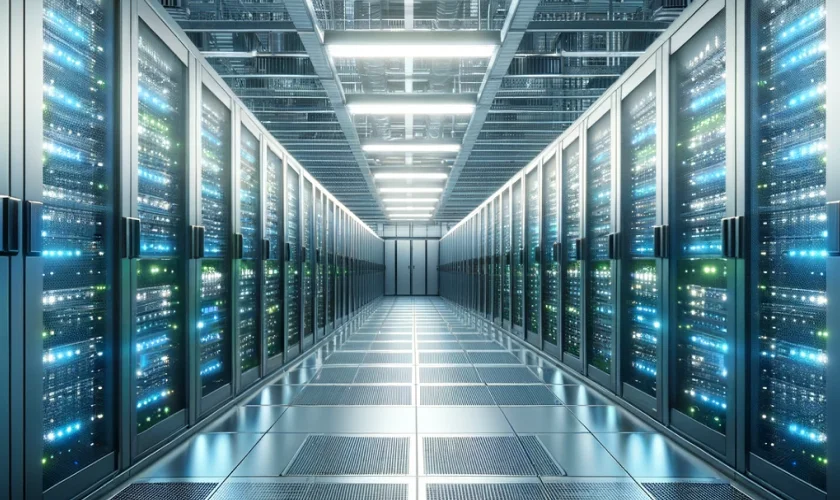
computer networks and data centers;
industrial automation;
fiber-optic communication networks.
Multiplexers help make modern communication networks more cost-effective and easier to maintain.
How Does a Multiplexer Work?
The operation of a multiplexer depends on the signal combination method and the type of equipment used. Let’s consider an example of time-division multiplexing (TDM):
- Connecting input signals.
- Assigning time slots for each signal.
- Transmitting the combined signal.
- Sending the signal through a specific communication channel.
- Receiving and demultiplexing, restoring the original signals.
This principle enables the efficient utilization of a single physical communication channel.
Which Multiplexer to Choose?
When selecting a multiplexer, consider key factors based on your specific needs:
Type of transmitted signals – Analog signals work best with frequency-based models, while digital signals are better suited for time- or code-based multiplexers.
Number of combined signals – The more input channels required, the more powerful the DWDM equipment or alternative solution should be.
Bandwidth capacity – Ensure the multiplexer can handle the required data transmission speed.
Transmission distance – For long-distance communication, optical multiplexers are the best option.
Operating environment – Consider environmental factors such as humidity, temperature, and electromagnetic interference.
Making the right choice ensures network efficiency and optimized maintenance costs.